Transitioning from a basic DHCP setup on an OLT to a dedicated BNG is a classic “growing pains” milestone for an ISP. While OLTs are fantastic at moving light, they aren’t built to manage a complex subscriber base. Here is why growing ISPs should consider making the jump.
IPv6 Dual Stack Best Practices with netElastic Virtual BNG
While enabling IPv6 is an important first step, deploying it effectively requires understanding of best practices for IPv6 address assignment—including both global IPv6 address allocation and IPv6 prefix delegation (PD).
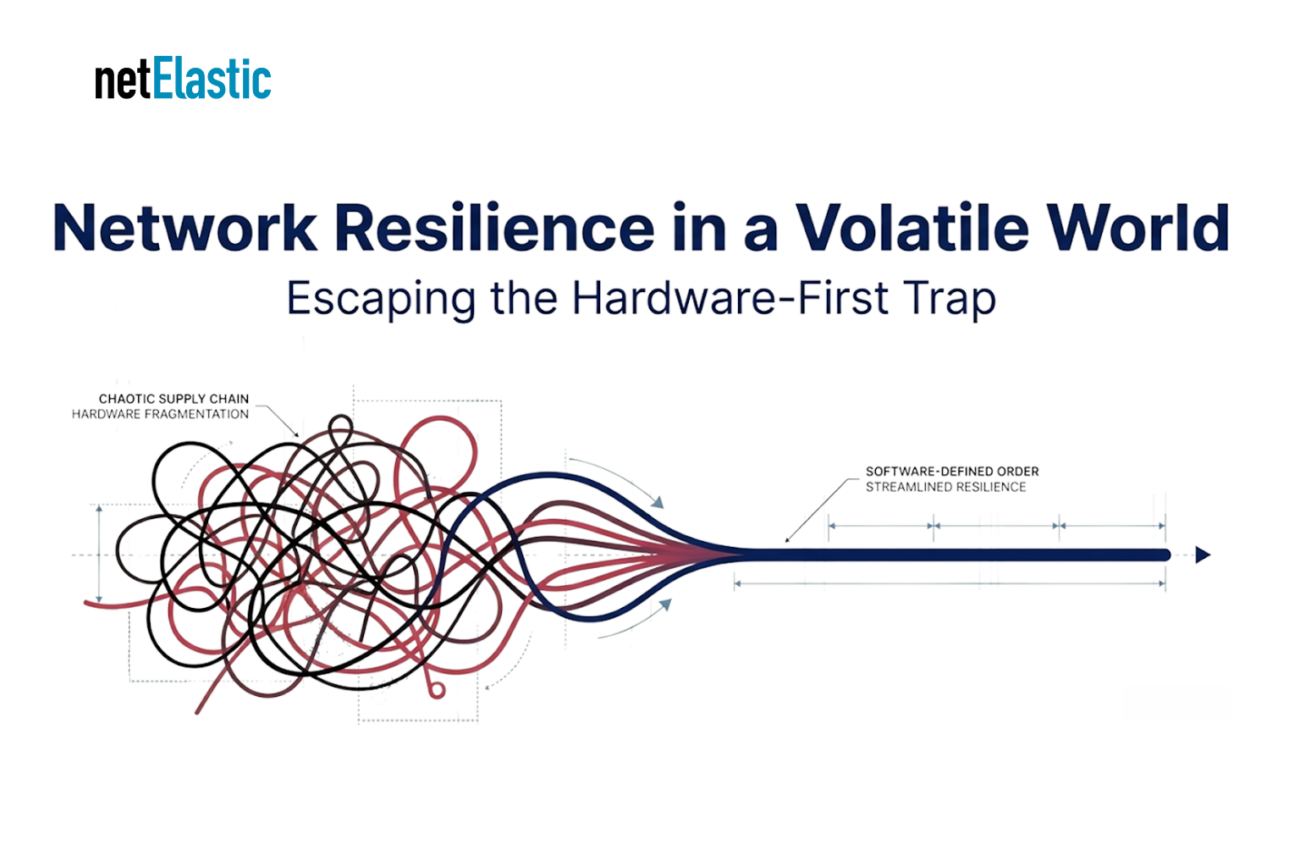
Decouple Your Network: Achieving True Independence from Hardware Supply Chain Risks
The term “supply chain” has become synonymous with uncertainty. For ISPs, this volatility is a direct threat to stability and growth. Here are some ways to achieve independence from these risks.
BEAD & Software Routing: Frequently Asked Questions
In 2026, as BEAD projects transition into the deployment and operational phases, service providers face unique challenges regarding cost, scalability, and federal compliance. This FAQ outlines how netElastic’s virtual routing solutions address these specific needs.
The Case for Truly Open and Disaggregated BNGs
ISP’s deserve better. “Open” networking is the buzz, but is often not reality. Escape vendor lock-in with truly open solutions from netElastic.
What is Dual Stack IPv6, and What is a Practical Solution?
Broadband networks are rapidly evolving, and with an ever-growing number of connected devices, the transition from IPv4 to IPv6 is imperative. Dual Stack IPv6 is essential in facilitating this transition, offering a useful solution for networks to support both IPv4 and IPv6 simultaneously. This article aims to provide a comprehensive understanding of Dual Stack IPv6. So, let’s get right to …
What is CGNAT and Which One is Best for My Network?
What is CGNAT? Let’s start by discussing Internet Protocol (IP) addresses. IPv4 is the fourth version of the Internet Protocol. It’s responsible for establishing connections between devices based on their internet address. IPv4 was deployed in 1983, and at that time, no one could see the future growth of the Internet. And that growth isn’t slowing down. In 1983, IPv4 …
How to Expand Internet Access with vBNG and CGNAT Services
In today’s digital age, access to the internet has become an essential need for individuals and communities worldwide. However, millions of people still need this vital connection. vBNG and CGNAT services are architected to help expand internet access. Access to the internet isn’t evenly distributed globally, leading to a digital divide between those with internet connectivity and those without. This …
Best Practices in Deploying and Implementing CGNAT
As the demand for internet connectivity grows, the available pool of IPv4 addresses is rapidly depleting. Carrier-Grade Network Address Translation (CGNAT) technology is being increasingly adopted to address this issue. CGNAT provides a practical and cost-effective solution for ISPs to manage this challenge, enabling them to continue serving their growing customer base without a complete transition to IPv6. Before deploying …
Help Automate Your Network with Virtual Broadband Network Gateways (vBNGs)
Network automation, a crucial goal for most ISPs, is key to navigating the complexity of broadband networks and achieving optimal network performance and efficiency. While the buzz around artificial intelligence’s role in network automation is undeniable, it’s essential to focus on the tangible benefits network automation can bring to your operations today. Large Tier One ISPs (with large budgets) are …